
Hiroshima
About Hiroshima
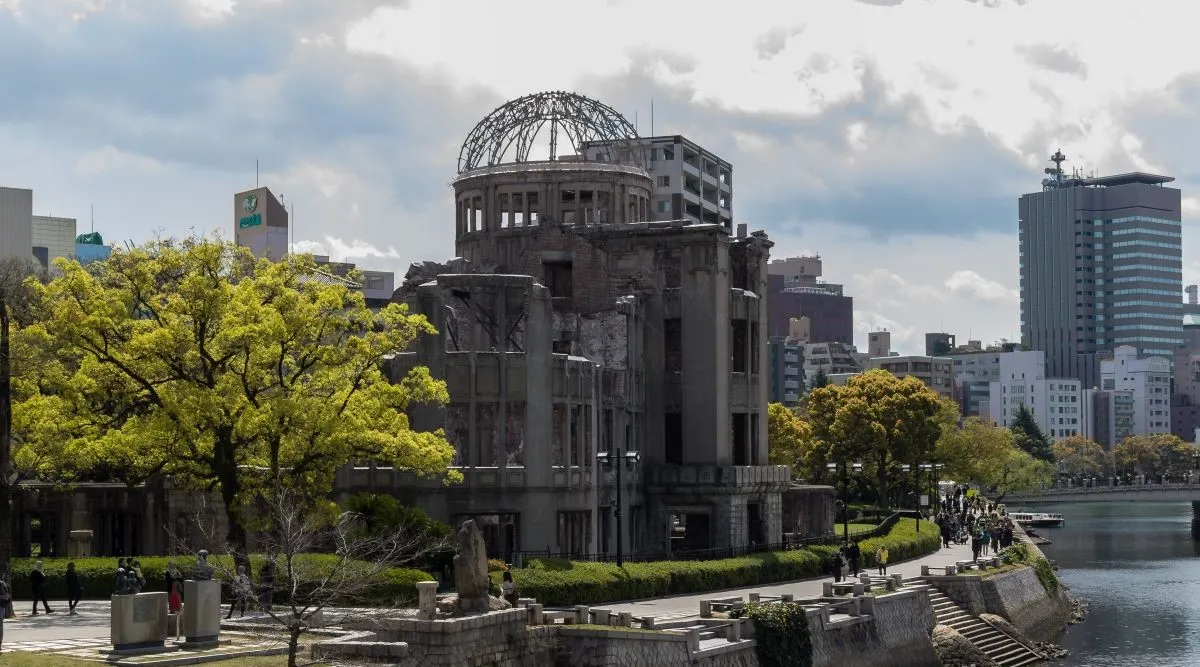
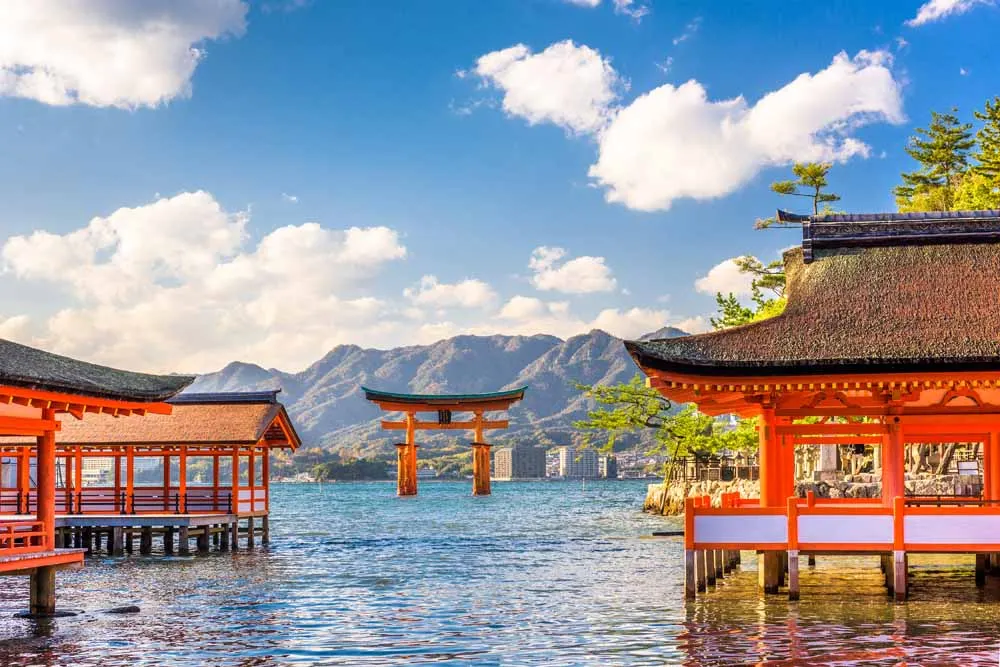
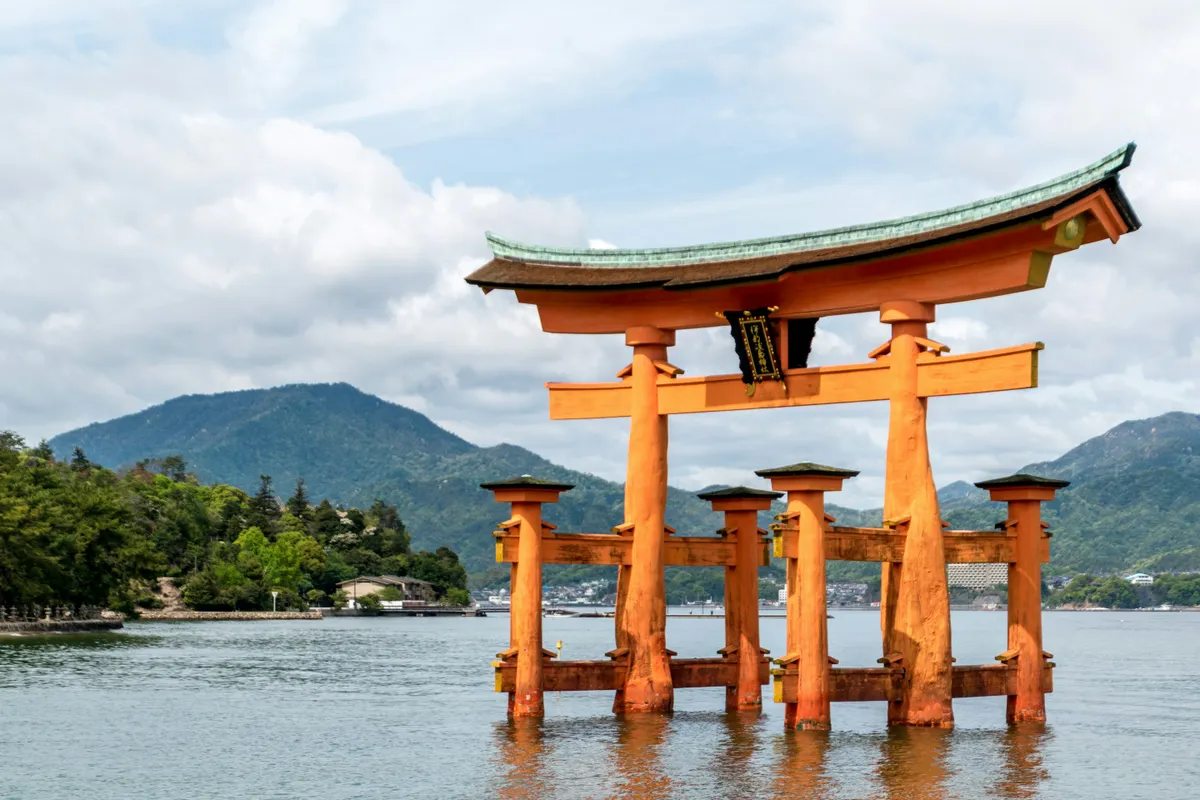
Hiroshima, a city of profound history and resilient spirit, offers a unique blend of reflection, natural beauty, and vibrant culture. Known worldwide for its historical significance, Hiroshima today is a city of peace, where the striking Atomic Bomb Dome and the Peace Memorial Park stand as poignant reminders of the past. Beyond its historical landmarks, Hiroshima captivates with its stunning natural surroundings—explore the sacred island of Miyajima with its iconic floating torii gate, stroll through serene gardens, or savor Hiroshima's famous okonomiyaki. It’s a city that embodies hope and renewal, inviting travelers to experience both its solemn history and its warm, welcoming energy.
Photo Gallery
1200w High-Resolution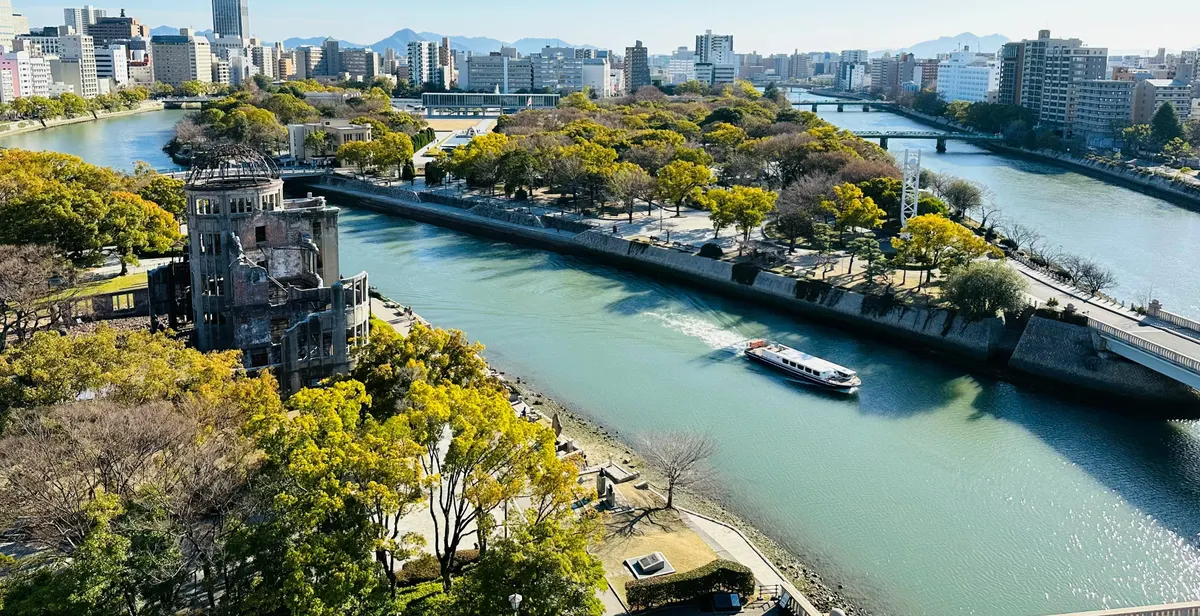

Frequently Asked Questions (FAQs)
Hiroshima is home to several significant attractions, with the Hiroshima Peace Memorial Park being a top priority. This park includes the Atomic Bomb Dome, a UNESCO World Heritage Site, and the Hiroshima Peace Memorial Museum. Another must-see is the Hiroshima Castle, reconstructed after World War II, offering beautiful views and historical exhibits. Don't miss the Shukkeien Garden, a traditional Japanese garden that provides a serene escape from the city.
Hiroshima is accessible by bullet train (Shinkansen) from major cities like Tokyo and Osaka, making it a convenient destination. Within the city, the Hiroshima Electric Railway, or Hiroden, offers an extensive tram network that is both affordable and efficient for getting around. Buses and taxis are also available, but the tram is often the most practical option for tourists.
The best time to visit Hiroshima is during spring (March to May) and autumn (September to November). In spring, cherry blossoms bloom, creating picturesque landscapes, while autumn offers comfortable weather and vibrant fall foliage. Summers can be hot and humid, and winters are mild but less visually appealing.
Hiroshima is famous for its unique style of okonomiyaki, a savory pancake layered with ingredients like cabbage, noodles, and seafood or meat, cooked on a griddle. Another local specialty is Hiroshima oysters, which are plump and flavorful. For a sweet treat, try momiji manju, a maple leaf-shaped cake filled with sweet bean paste.
Yes, a popular day trip is to Miyajima Island, known for the iconic floating Torii gate of Itsukushima Shrine. The island offers hiking trails, deer roaming freely, and stunning views. Another option is visiting Iwakuni, where you can see the historic Kintai Bridge and Iwakuni Castle. Both destinations are easily accessible by train and ferry.
The Hiroshima Flower Festival, held in early May, is a vibrant event featuring parades, music, and floral displays. Another significant event is the Hiroshima Peace Memorial Ceremony on August 6th, commemorating the atomic bombing with a solemn ceremony and lantern floating on the Motoyasu River. These events offer unique insights into the city's culture and history.
A stay of two to three days is ideal for exploring Hiroshima's main attractions and taking a day trip to Miyajima Island. This duration allows you to fully experience the historical sites, enjoy local cuisine, and immerse yourself in the city's culture without feeling rushed.
Useful Information
Exact GPS Location
Coordinates: 34.38529, 132.4553